Skip to content

Butt Weld Fittings โ€” Complete Product Range

High-quality butt weld fittings for industrial pipelines โ€” available in SS 304, SS 316, Duplex and Carbon Steel. Click any product to expand details.

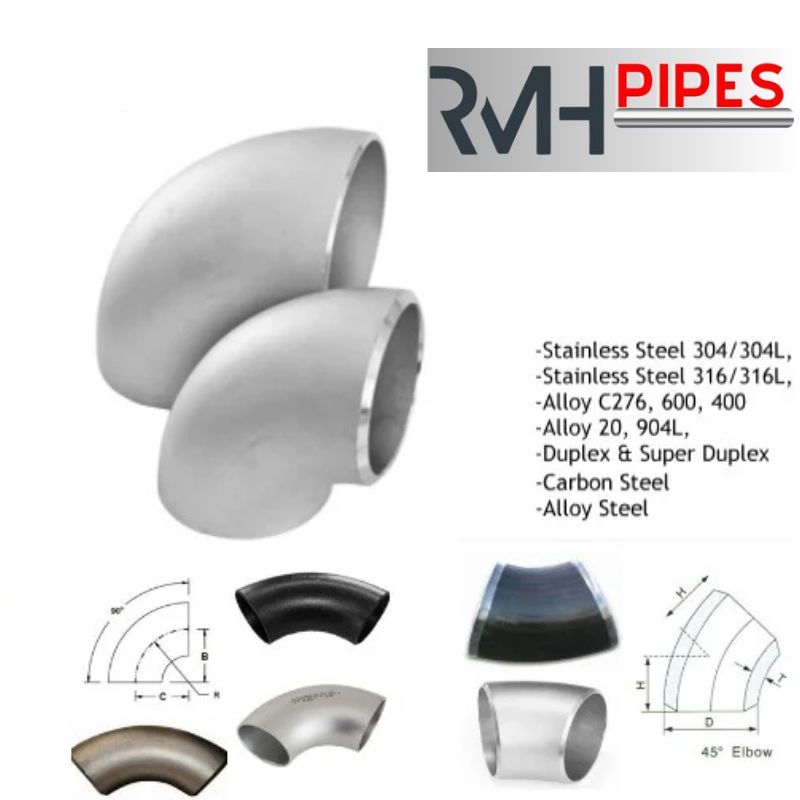
SS Butt Weld Elbow

Butt Weld Elbow (Long / Short Radius)

Available sizes: 1/2" โ€” 48" | Material: SS 304 / SS 316 / CS | Standards: ASTM A403, ASME B16.9. Used to change direction of piping; available in LR & SR options.

  • Ends: Buttweld
  • Wall Thickness / Schedules: SCH10, SCH40, SCH80 & custom
  • Finish: Mill, Polished, Pickled & Passivated
Enquire
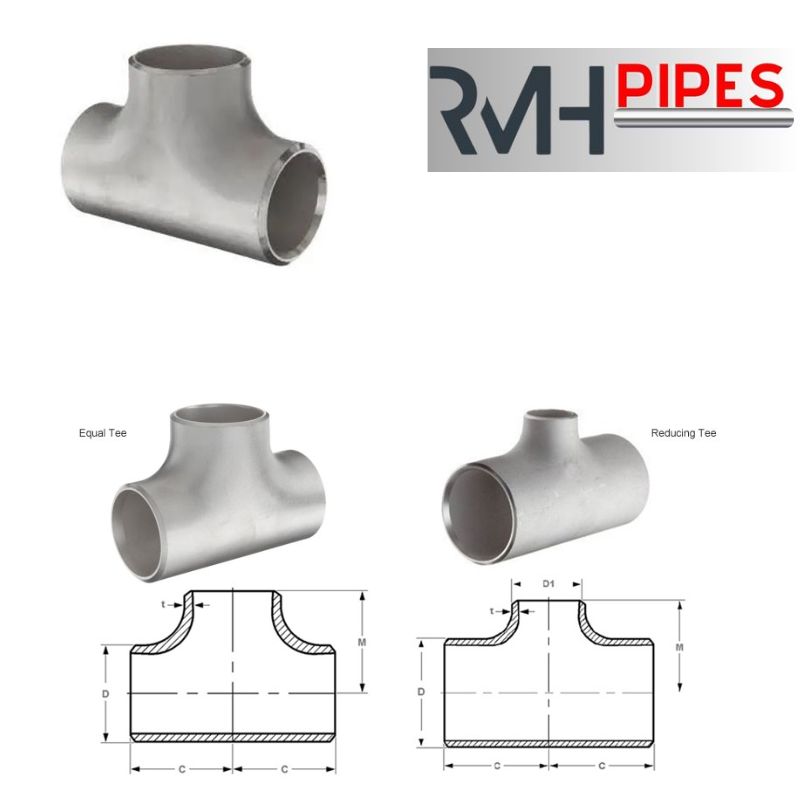
SS Butt Weld Tee

Butt Weld Tee

Types: Equal Tee, Reducing Tee | Sizes: 1/2" โ€” 36" | Standards: ASTM A403 / ASME B16.9. Used for branch connections in piping systems.

  • Manufacturing: Forged / Buttweld
  • Pressure Rating: As per material & schedule
Enquire
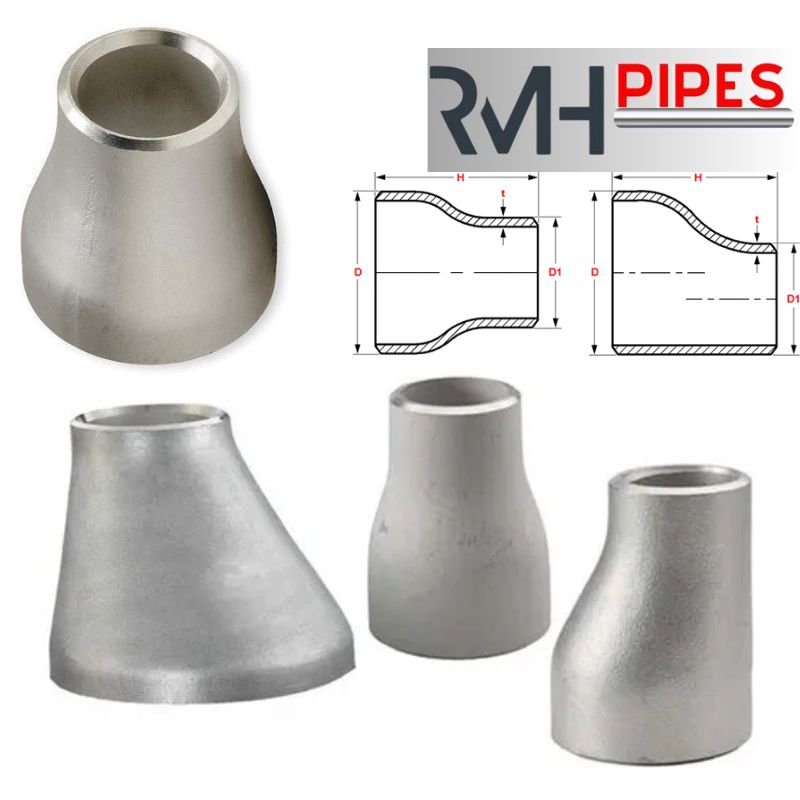
SS Butt Weld Reducer

Butt Weld Reducer (Concentric / Eccentric)

Sizes: 1/2" โ€” 48" | Type: Concentric & Eccentric | For connecting pipes of different diameters.

  • Tolerance: As per ASME / ASTM standards
  • Usage: Flow transitions, pump suction lines (eccentric)
Enquire
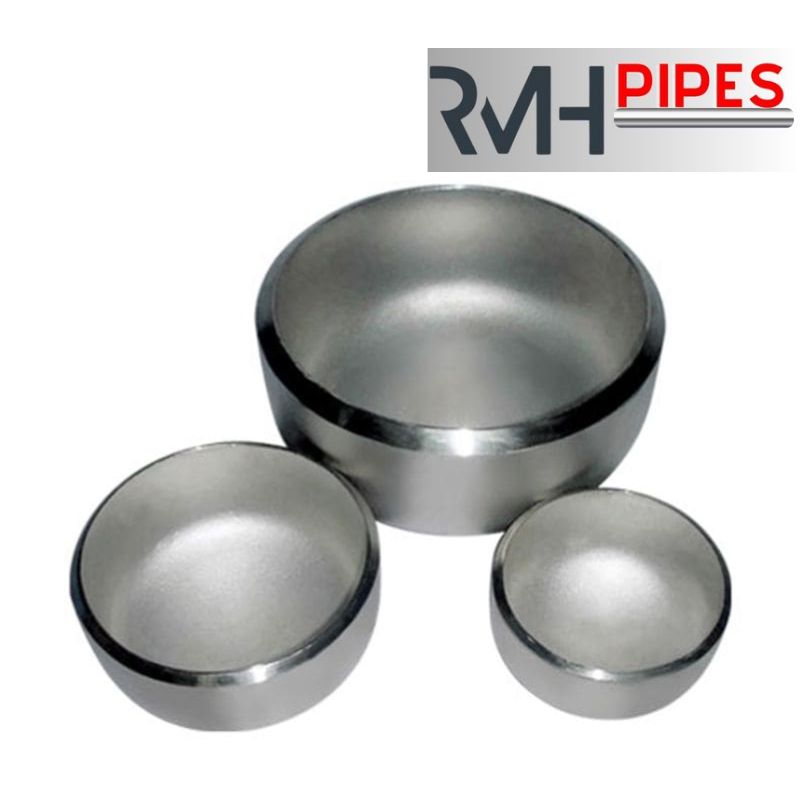
SS Butt Weld Cap

Butt Weld End Cap

Used to close the end of a pipeline. Sizes & materials as above. Available in seamless / fabricated options.

  • Standard: ASME B16.9
  • Finish: Polished / Mill
Enquire
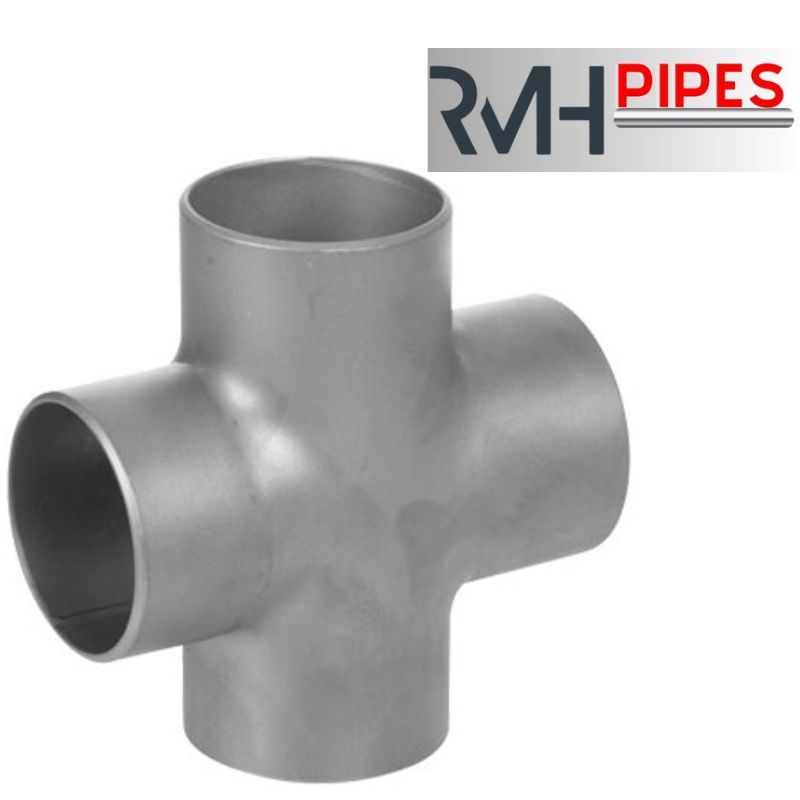
SS Butt Weld Cross

Butt Weld Cross

4-way connection fitting. Typically used where four pipes meet at a single point. Sizes & material per client requirement.

  • Availability: Equal / Reducing
  • QC: 100% visual & dimensional checks
Enquire
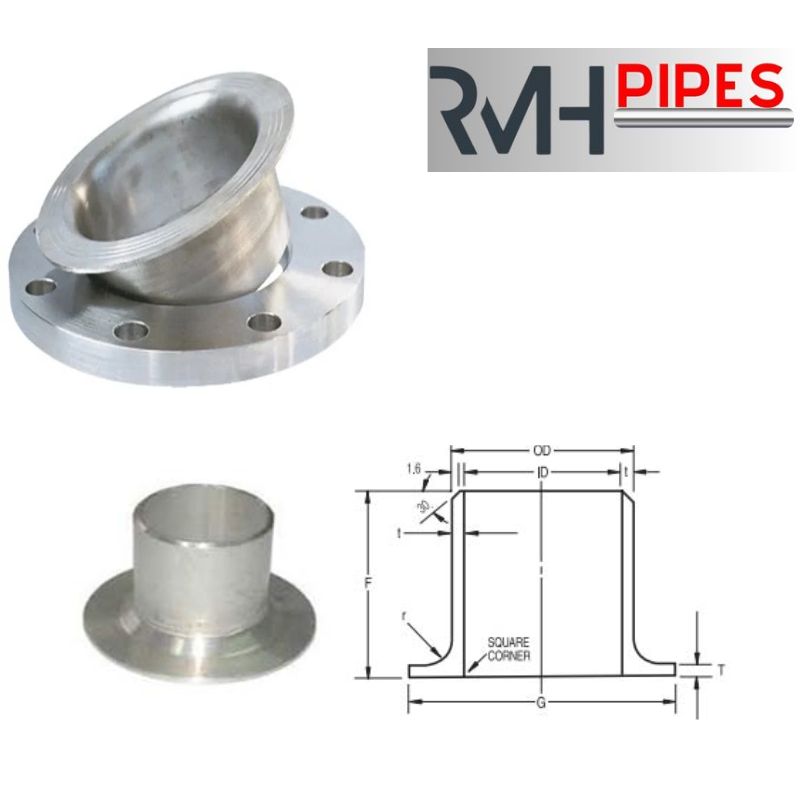
SS Butt Weld Stub End

Butt Weld Stub End (Lap Joint)

Used with lap joint flanges โ€” economical for frequent dismantling. Available in various diameters and wall thicknesses.

  • Ideal For: Systems that require regular dismantling
  • Material: SS304 / SS316 typical
Enquire
Need a quote or technical datasheet?
All products are manufactured per ASTM / ASME standards unless otherwise specified. For custom sizes and materials, contact our sales team.

1. Overview of Stainless Steel Butt Weld Fittings

โ€œButt weld fittings are a very important part of the pipeline industry. These fittings are used to join pipes by welding the ends of the two pipes together. This type of joint is leak-proof, strong and long-lasting. This is why they are widely used in oil and gas, chemical, energy, water treatment and many other industries.โ€

2. Types and Specifications of Butt Weld Fittings

โ€œThere are many types of these fittings, such as โ€“

  • Elbow โ€“ To change the direction of the pipe
  • Tee โ€“ To connect two pipes to one pipe
  • Reducer โ€“ To connect a large diameter pipe to a small diameter pipe
  • Cap โ€“ To close the end of the pipe
  • Cross โ€“ To allow flow in four directions from one pipe

Each fitting has its own specifications and uses.โ€

3. Manufacturing Standards

โ€œThese fittings are manufactured as per international standards such as โ€“

  • ASTM A403
  • ASME B16.9
  • MSS SP-43

Fittings manufactured as per these standards ensure quality, safety and reliability.โ€

4. Material Grades Used

โ€œStainless steel butt weld fittings are available primarily in grades 304, 304L, 316 and 316L.

  • 304 and 304L โ€“ For general use, having excellent corrosion resistance.
  • 316 and 316L โ€“ Best for use in marine environments, chemicals and more severe conditions.
โ€

5. Dimensions and Size Range

โ€œThese fittings are manufactured in a variety of sizes. The range generally available is from ยฝ inch to 72 inches.

This wide range makes them suitable for small projects to large industrial plants.โ€

6. Seamless vs Welded Butt Weld Fittings

โ€œThere are two main types of butt weld fittings โ€“

  • Seamless fittings โ€“ which do not have any joints. These are capable of withstanding high pressure and high temperature.
  • Welded fittings โ€“ which are manufactured by welding process. These are relatively economical and are easily available in large sizes.
โ€

7. Applications in Various Industries

โ€œStainless steel butt weld fittings are used in a number of industries, such as โ€“

  • Oil and gas industry
  • Petrochemical plants
  • Power generation centres
  • Water treatment projects
  • Food and beverage industry
  • Cement and mining industry

Their versatility makes them essential in every sector.โ€

8. Benefits and Features

โ€œThe main advantages of these fittings are โ€“

  • Long term durability
  • Protection from rust and corrosion
  • Workability under high pressure and temperature
  • Easy welding and installation
  • Minimum maintenance required
โ€

9. Installation and Welding Techniques

โ€œButt weld fittings are installed using modern techniques like TIG, MIG and Arc Welding. This welding joins the pipe and fitting in such a way that the joint strength is as strong as the pipe itself.โ€

10. Quality Assurance and Testing

โ€œEvery fitting undergoes rigorous tests before it reaches the market, such as โ€“

  • Hydro Test
  • PMI Test (Positive Material Identification)
  • Ultrasonic Test
  • Radiography Test

These tests ensure that the product is completely safe and reliable.โ€

What is a butt weld?

Butt weld is a welding technique in which two pipes or fittings are welded by joining their ends. This creates a strong, leak-proof and long-lasting joint.

There are many types of weld fittings, such as โ€“

  • Elbow: To change the direction of the pipe.
  • Tee: To connect two pipes to one pipe.
  • Reducer: To connect a larger pipe to a smaller pipe.
  • Cap: To close the end of the pipe.
  • Cross: To allow flow in four directions from a pipe.

Butt weld fittings are mainly made from stainless steel (304, 304L, 316, 316L), carbon steel and alloy steel. Stainless steel is considered to be rust-resistant and long-lasting.

Buttweld fittings are pipe fittings that are welded to the pipe. They are most commonly used for leak-proof and strong joints and are in high demand in industries like oil-gas, chemical, power, water treatment.

Butt joints are used to form a continuous and strong flow line by joining two pipes or fittings at the ends. Its biggest advantage is that the strength of the joint is equal to that of the pipe.

Generally, there are three types of fittings โ€“

  • Butt Weld Fittings
  • Socket Weld Fittings
  • Threaded Fittings